


The blistering cold of winter is coming to a close, and the bright laughter of Spring is upon us. What has been done is done. The time of rebirth is among us. New Year’s resolutions that have been abandoned can be reengaged with, and new habits have the room to take form.
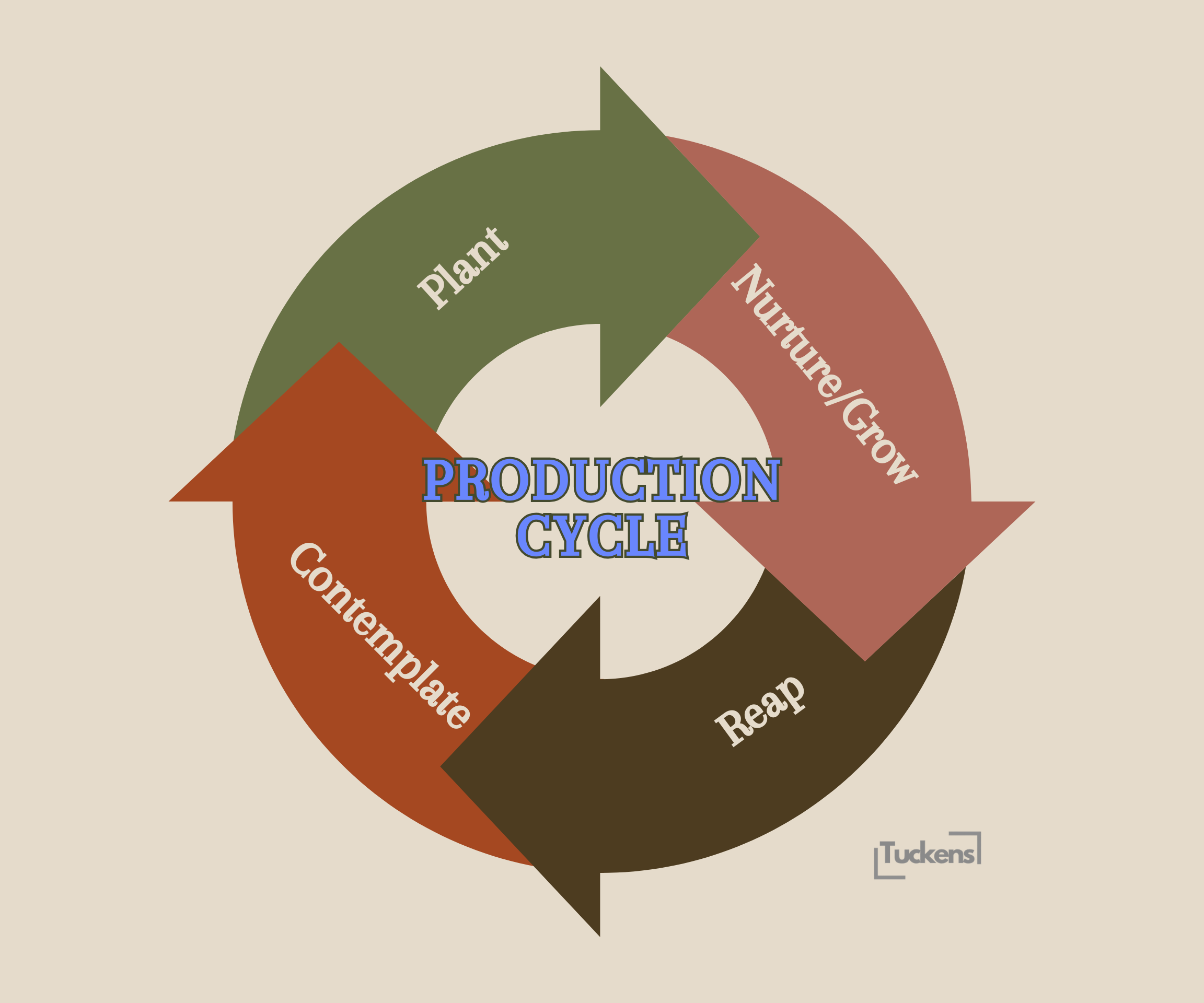
The winter was a good time to contemplate and partake in more idle activities. With the Spring Equinox there is a shift in the day and night cycle. We now have more hours of light to act in the world. In the winter, we reap what we have sown. In the spring, the cycle starts over and it is time to sow again and build for the future. New Year resolutions made at the dawn of the Spring have a greater likelihood of becoming habitual due to the longer days and more sunshine that follows the Equinox.
In the Spring the creating energy is abundant and the world is teeming with new life. This is a force that you can tap into, but before we tap into this force, let us learn about the history and science of the Spring Equinox and how it can serve as a great time to make change and pursue new goals.
History and Science behind the Spring (Vernal) Equinox
The Spring (Vernal) Equinox has been celebrated around the globe for millennia. Many cultures have festivals around the Vernal Equinox, and several celebrate the New Year around this time, including: The Persian New Year, celebrated in Iran and other Central Asian Countries, and the Albanian pagan New Year marks the beginning of the spring-summer period. All of these cultures understand the benefit of celebrating and stepping into a new year in tune with the astronomical cycle as the planet turns away from darkness and into the light.
For the ancient Greeks, the spring equinox marked more than a shift in season. It signaled a reawakening of the world itself. The Greeks connected the equinox to Persephone's return from the underworld1, and the time of year marked the transition from winter's dormancy to the blossoming of new life, a reflection of Demeter's joy when reunited with her daughter. One of the most significant celebrations was the Eleusinian Mysteries, where the Lesser Mysteries, which prepared initiates for the greater festival, were observed in the spring and involved purification, offerings, and symbolic reenactments of Persephone's myth.
The Romans, for their part, observed their own ritual of death and renewal. The Hilaria were ancient Roman religious festivals celebrated on the March equinox to honor Cybele. The festival honored Attis, moving through a period of mourning at his death on March 24, followed by rejoicing at his resurrection on March 25. The Day of Joy, or Hilaria proper, marked the resurrection of Attis and was a time of celebration featuring processions, games, and masquerades. Both cultures understood the equinox as a turning point in the story of the world, the moment the earth sprang up from a freezing hibernation and began again.
The Spring Equinox represents a time of renewal, balance, and new beginnings in nature. The Vernal Equinox typically falls on March 19 - 21, depending on the timing of the Earth’s orbit around the sun. This year, the Spring Equinox takes place on March 20th at 10:46 a.m. EDT, where day and night will be equal in length. The term equinox comes from Latin, where “Equi” means Equal and “Nox” means Night. In Yogi tradition, the day of the Spring Equinox is known as the best day of the year for getting rid of desires and balancing oneself with the ever-changing cycles of the cosmos.
Spring is the time to build momentum. Notice how the trees slowly bud until one day you wake up and all of the buds have blossomed. The internal momentum building up has finally sprouted outwards and quickly fills the Earth with a beautiful array of colors.
The idea is developed in winter and in spring it takes shape. The harvest will not be until the end of summer: the ideas that form in the darkness of winter will sprout outwards in Spring and start to give an appearance of what will be.
Great change takes place in the Spring, with what was becoming barely recognizable. Change is often redemptive but can be challenging when one holds onto visions and sticky definitions of SELF. Embrace the change by taking action through the transformation of ideas into a product, art piece, or project. Find pleasure in the slow, steady progress as you watch the change occur.
The seed you plant now will soon grow and become ripe for harvest in due time
Seeds you plant need to be watered and tended. Ignore them, and they will surely die. Your idea is no different. If you care for it, water it with intention, and nourish it with focused thought then your idea will become fully formed and ripe for harvest.
The process always takes work and sacrifice, but if you put away old habits and desires that are not aligned with your vision, and believe in yourself then you will see it manifest. Doubt yourself and you will watch your ideas shrivel up and die.
Reinvigoration
Take this time to realign yourself with the goals that you set on January 1st. Reignite the fire you had then and liberate yourself from your fear, doubt, and lack of resolve. Tap into the Spring energy and let it kindle your desires and passions into actionable steps, and later form. Remember how the greats always realigning towards their highest SELF through constant reflection, the embrace of change, and goal setting:
The unexamined life is not worth living. - Sacretes
To improve is to change; to be perfect is to change often. - Winston Churchill
Life is like riding a bicycle. To keep your balance, you must keep moving. - Albert Einstein
It is not the strongest of the species that survives, nor the most intelligent, but the one most responsive to change. - Charles Darwin
Constantly think about how you could be doing things better and questioning yourself. - Elon Musk
Take this template for the Spring Equinox Challenge or create your own 3-month multi-scale goal planner. Do this again in 3 months, and again, and again, ad infinitum… and surely as the sun rises in the east, so to will you rise to your goals and see them come to fruition.
At this time of the Vernal Equinox, day and night are at equilibrium. Following the Equinox the day starts to slowly over-power the night. The energy is high and with greater solar power there is more for you to tap into, more that you can do, literally more time in the day.
Remember this is also a great time to increase your spiritual energy and let go of desires that are holding you back from peace, harmony, and abundance. By celebrating the Spring Equinox and taking the time to set new goals you save yourself from another year of mediocrity and give yourself a chance to experience exceptionalism.
I know for me the Spring Equinox is going to serve as a catalyst to start new habits, build initiatives, and reframe the vision I have for 2026. I hope you will also take some time to reflect and embrace the idea of the Spring Equinox as a start to a new year and an opportunity for change and growth!
May your eyes be bright and full of everlasting laughter.
Follow my X account if you are looking to partake in deep, sensitive, and bright conversations. All it takes is 1 sentence to change your paradigm.
** Follow the guide below to start your journey of developing a Craft, Ritual, and Community **
“The myth of Persephone is one of the most well-known and enduring stories from Greek mythology, symbolizing the cycle of life, death, and rebirth. Persephone, the daughter of Demeter, the goddess of agriculture and fertility, was abducted by Hades, the god of the underworld. As the story goes, while she was gathering flowers in a meadow, the earth suddenly opened up, and Hades took her to his dark kingdom. Demeter, devastated by the loss of her daughter, wandered the earth searching for her and, in her grief, neglected her duties, causing the land to become barren and infertile.
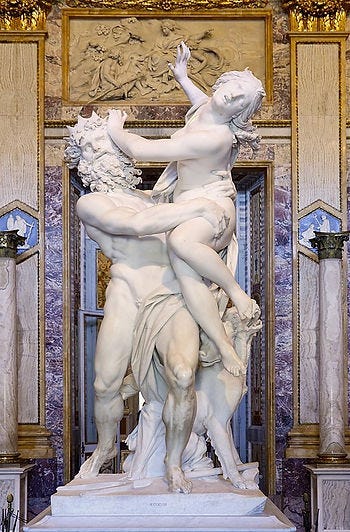
As famine spread and the gods grew concerned, Zeus intervened and ordered Hades to return Persephone to her mother. However, before she left the underworld, Hades tricked her into eating pomegranate seeds—an act that bound her to his realm. Because she had consumed food from the underworld, she could not fully return to the living world. A compromise was reached: Persephone would spend part of the year with Hades in the underworld and the rest with Demeter. This myth became an allegory for the changing seasons—Persephone’s descent into the underworld signified autumn and winter, while her return to the earth symbolized the arrival of spring and the renewal of life.” — History Tidbits